The machinery that kicks in the moment a winner is named
The prize is announced, the room applauds, and something that looks like magic begins. In practice, it is logistics.
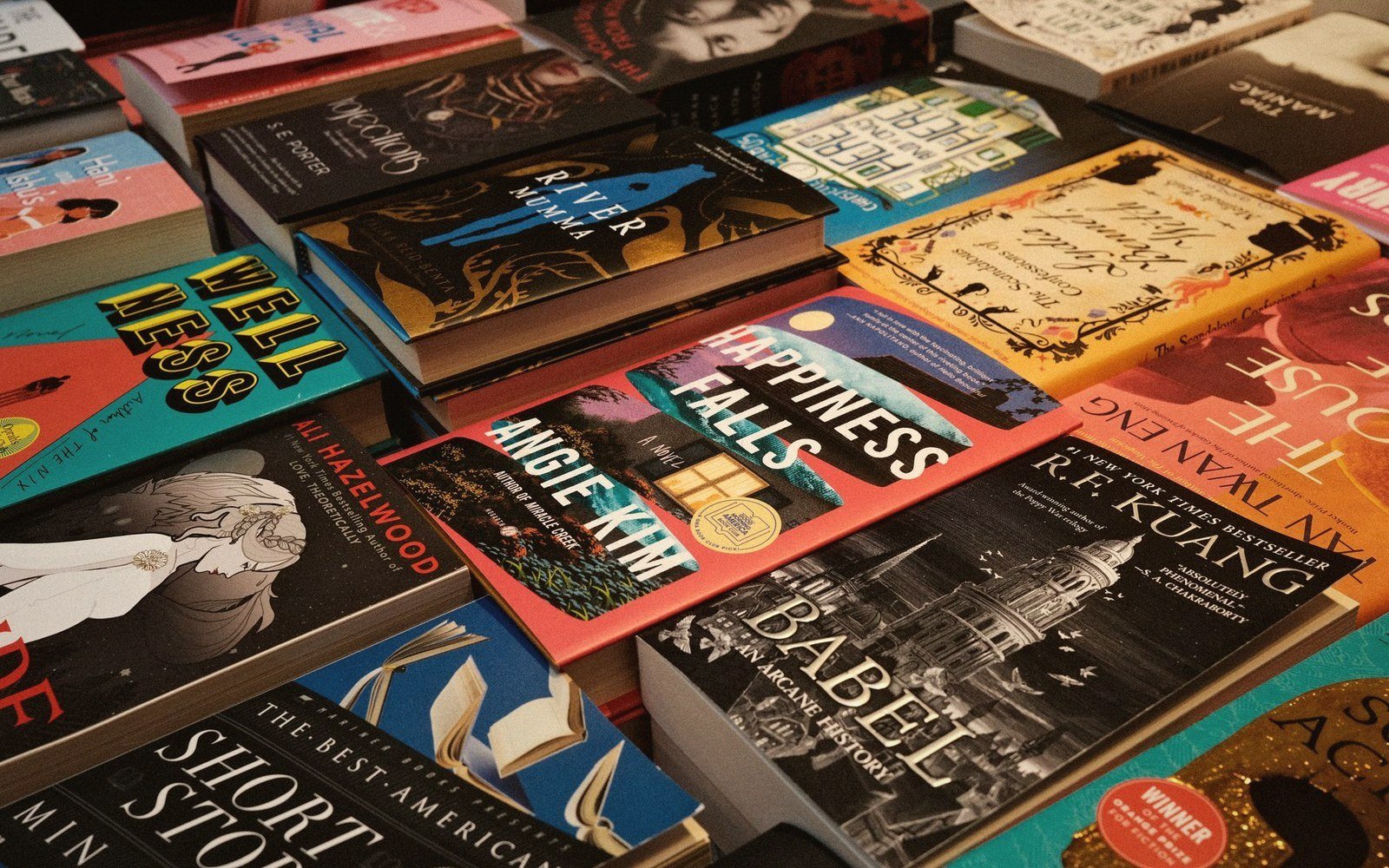
Within hours of a winner being declared, the publisher's sales team is already on the phone to the printer. A reprint order — sometimes the second or third of the season, sometimes the first significant one — is placed before the evening is out. The cover will need a sticker, or a new cover entirely: the gold medallion of the prize name, positioned to catch a browser's eye at a meter's distance. This is not decorative. Booksellers report measurably higher sell-through on prize-badged copies, and the badge is as much a retail argument as a cultural honour.
The physical books take time, though. A first wave of copies — whatever stock the trade already held — will sell out in days. The gap between that sellout and the arrival of reprinted stock is the moment when a prize's momentum can quietly leak away. Publishers who anticipated a win have sometimes pre-positioned extra copies at their warehouses; those who didn't are scrambling to compress a print-and-delivery timeline that normally runs to weeks.
The prize timeline
- Announcement eveningsales team contacts printer within hours
- Days one to threeexisting trade stock sells through
- The gapreprinted copies not yet in shops; momentum at risk
- Second waveliterary editors, radio, features coverage
- Weeks two to sixprize badge visible on reprinted covers; new review cycle
- Month two onwardtitle either finds a long second life or recedes
Alongside the reprint comes a second wave of critical attention. Literary editors who passed on the title in September — because there were six hundred other books that season, and no particular reason to prioritise this one — now have a reason. Newspapers run features. Radio producers book the author. The book acquires a new interpretive frame: it is no longer simply a new novel, it is the novel that won. Reviews written in this window are often subtly different in character, negotiating with the jury's verdict rather than meeting the book cold.
What the prize effect does not do, reliably, is reach far beyond the audience already inclined to read prize fiction. The uplift is real and commercially significant, but it is not bottomless. Certain titles break through to readers who would not normally enter a bookshop for literary fiction; most do not. The long list had already sorted the field once; the winner announcement sorts it again, more sharply — but sorting is not the same as transformation.
What the weeks after a win actually reveal, if you watch them closely, is the difference between a book with latent demand that the prize unlocks and a book that the prize lifts artificially, briefly, before gravity reasserts itself. The first kind settles into a long, steady second life. The second kind fills a table at the front of the shop for a month, then quietly joins the larger company of books that arrived, were noted, and disappeared.