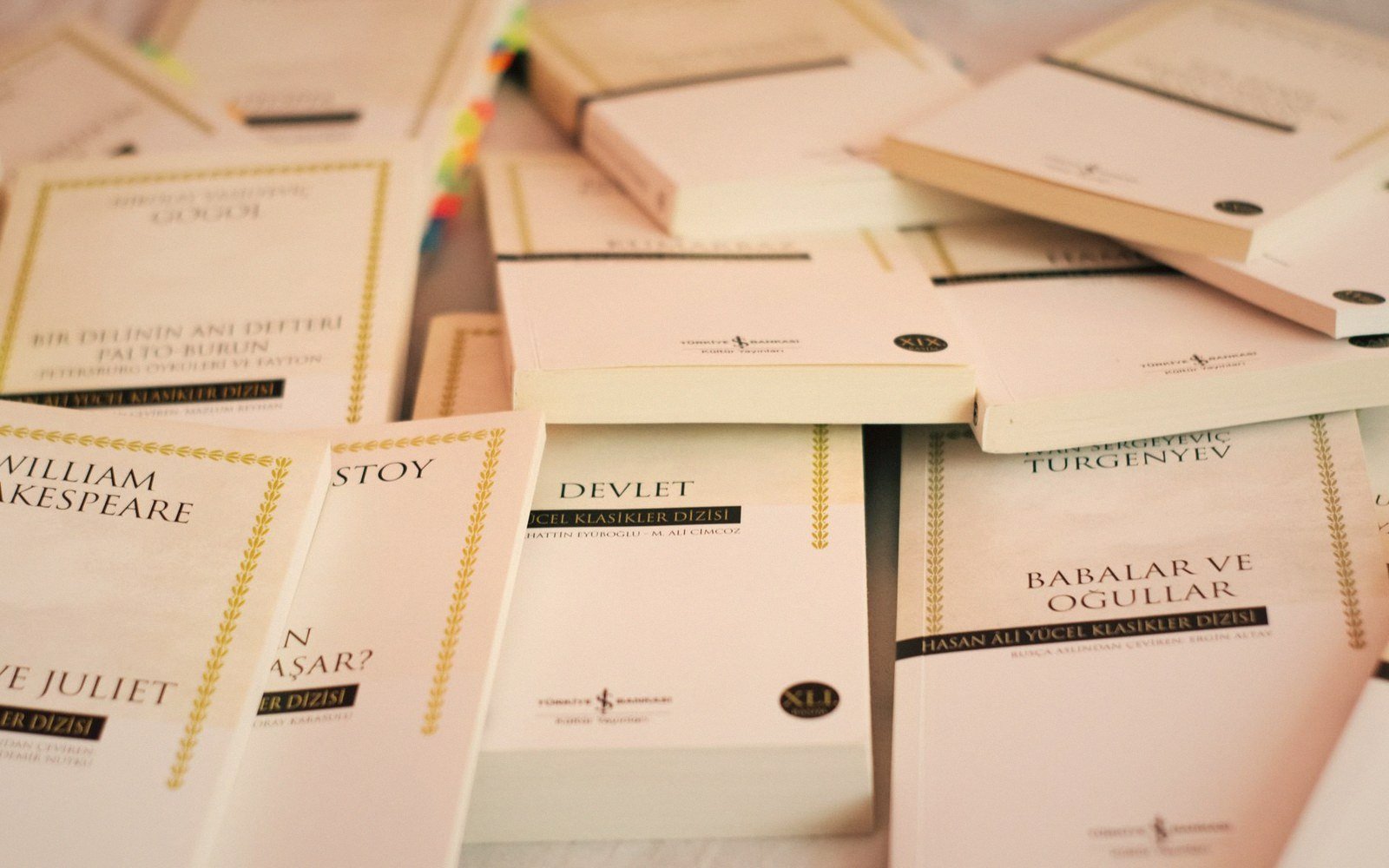
Some books cross borders immediately. Others wait a generation — and the reasons for both say more about markets than about merit.
The Long Pause
A novel can be alive in one language for decades before another language decides it exists. The gap is rarely about quality. It is about market readiness, the availability of a champion, and the quiet arithmetic of foreign-rights acquisition — all the machinery that must align before a translator sits down with a text.
The conditions that finally unlock a dormant work tend to cluster around a few recognizable triggers. A prize in the source country, or a prize in a third country, can abruptly reframe a forgotten title as an overlooked one — a subtle but commercially significant shift. A translator develops a personal obsession and persuades an editor. A literary estate reasserts itself. Or a fashion rotates back around: the book that felt untranslatable in one decade starts to look prescient in the next, and a small independent house with higher risk tolerance takes the bet.
What is lost in the wait is harder to calculate. The original readership has aged or scattered. The cultural conversation the book entered — and sometimes shaped — has moved on without the translated version participating. Reviews must now contextualise the work twice over, explaining both what it said and when it said it, a double burden that flattens reception. Readers in the new language receive a book out of time, stripped of the friction and argument that gave it its first life.
There is a crueller irony at the level of the author. Many of the books that waited twenty years were written by writers who did not wait gracefully — who died before a translation appeared, or who spent decades watching the work circle foreign publishers without landing. The translation arrives as a kind of posthumous justice that the writer is not there to enjoy, and the question of what that justice is actually for becomes genuinely uncomfortable.
None of this argues against delayed translation — it argues against treating the delay as neutral. Every year a book waits is a year it is unavailable to readers who might have been changed by it. The machinery that governs when rights travel and how is not indifferent, exactly, but it is not designed to rescue the overlooked. That, when it happens, is almost always an accident of biography.